

Training & Development
Training that supports safe, effective, person-centred practice, professional judgement, and high-quality outcomes.
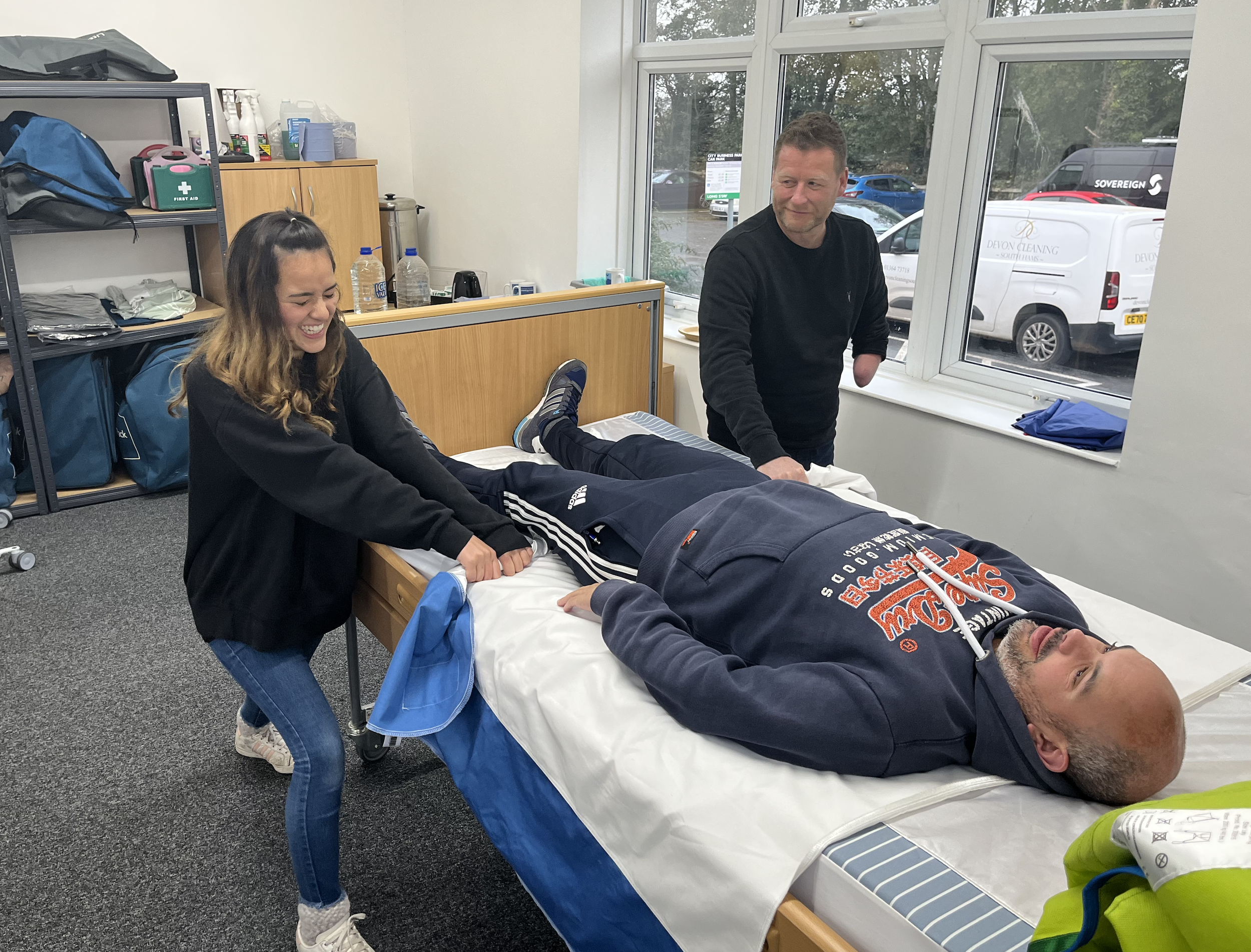

A Structured, Specialist Approach
We provide a comprehensive training framework that ensures all staff meet statutory requirements while also developing specialist skills relevant to complex and rehabilitation-led care.
We will ensure all staff complete at least 17 mandatory courses. All support staff will also have the opportunity to complete their QCF in Health and Social Care, up to Level 5 for senior positions within the company.
Our training programme prioritises areas that have the greatest impact on safety, quality, and outcomes. This ensures staff are not only compliant, but clinically informed, ethically grounded, and confident in practice.
Advanced Areas of Focus
-
Acquired Brain Injury & Neurological Conditions
Understanding cognitive, behavioural, and emotional changes — and how to support rehabilitation, independence, and quality of life.
-
Mental Capacity, DoLS & Ethical Decision-Making
Supporting lawful, proportionate care with a strong focus on rights, autonomy, and best interests.
-
Positive Risk-Taking & Person-Centred Practice
Enabling meaningful choice and progress while managing risk thoughtfully and professionally.
-
Complex Medication & Health Needs
Supporting safe administration and monitoring within complex care environments.
-
Dignity, Respect & Values-Based Care
Ensuring care always feels human, respectful, and aligned with what matters most to the individual.
-
Litigation Awareness & Advanced Record Keeping
Understanding the requirements of litigation-funded care, with a strong focus on accurate documentation, defensible decision-making, and high-quality reporting.
-
Nurse-Led Clinical Skills Training
Developing competence and confidence in clinical tasks such as tracheostomy care, stoma management, and PEG feeding, delivered through nurse-led training and supervision.


Positive Behavioural Management
We have specialist expertise in Positive Behavioural Management, embedded within our service to support safe, ethical, and person-centred care.
Our teams are trained using PBMpro, an evidence-based approach to understanding and responding to behaviour that prioritises prevention, de-escalation, and positive outcomes. This approach aligns with the standards set by BILD Act and the Restraint Reduction Network, supporting best practice and a strong focus on restraint reduction.
By delivering PBMpro training internally across our teams, we are able to:
Promote consistent, best-practice behaviour support
Reduce risk, incidents, and the need for restrictive interventions
Improve safety and confidence for both clients and staff
Strengthen compliance with safeguarding, quality, and regulatory standards
Maintain high-quality, responsive training without reliance on external providers
This integrated approach ensures behaviour support is not an add-on, but a core part of how care is delivered — thoughtfully, proactively, and with the individual at the centre.
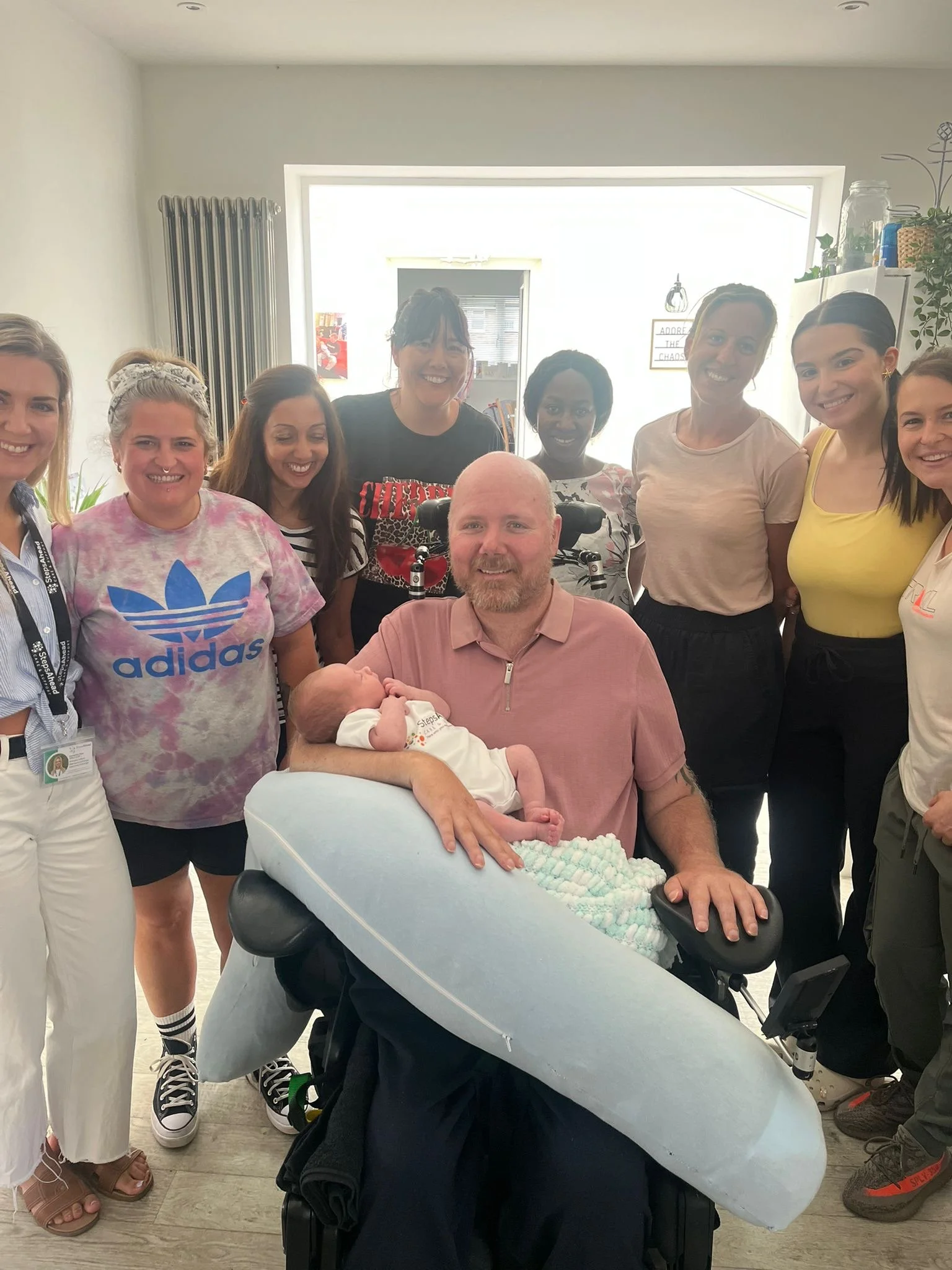

Training That Reflects Real Lives
Our approach is not one-size-fits-all. Training packages are often created to reflect the specific needs of individuals we support, giving staff practical tools and strategies they can apply immediately in their day-to-day work.
This keeps training relevant, personalised, and deeply connected to the people we support.
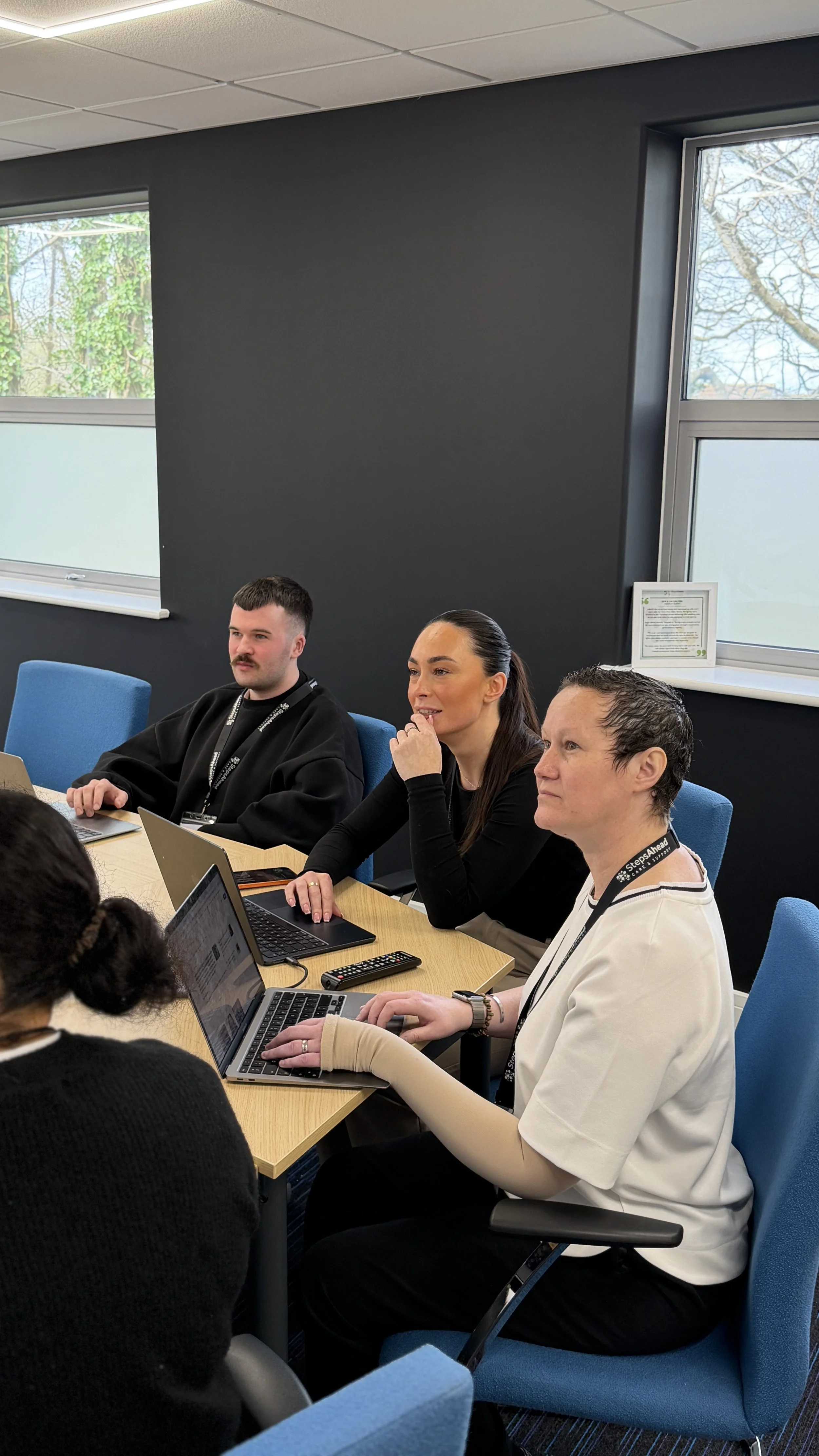
Working in Partnership With the MDT
We believe the best outcomes come from working closely with the professionals around each person. That’s why collaboration sits at the heart of how we deliver care.
We work alongside a wide range of multi-disciplinary professionals, contributing to and supporting:
Clinical supervision and reflective practice
Person-specific training for support teams
Regular case manager meetings and reviews
Therapy-led programmes and daily carryover into care
By translating professional guidance into consistent, day-to-day practice, we help ensure therapy goals are reinforced beyond formal sessions — supporting continuity, progress, and meaningful outcomes.
This includes close collaboration with Case Managers and the wider MDT:
-
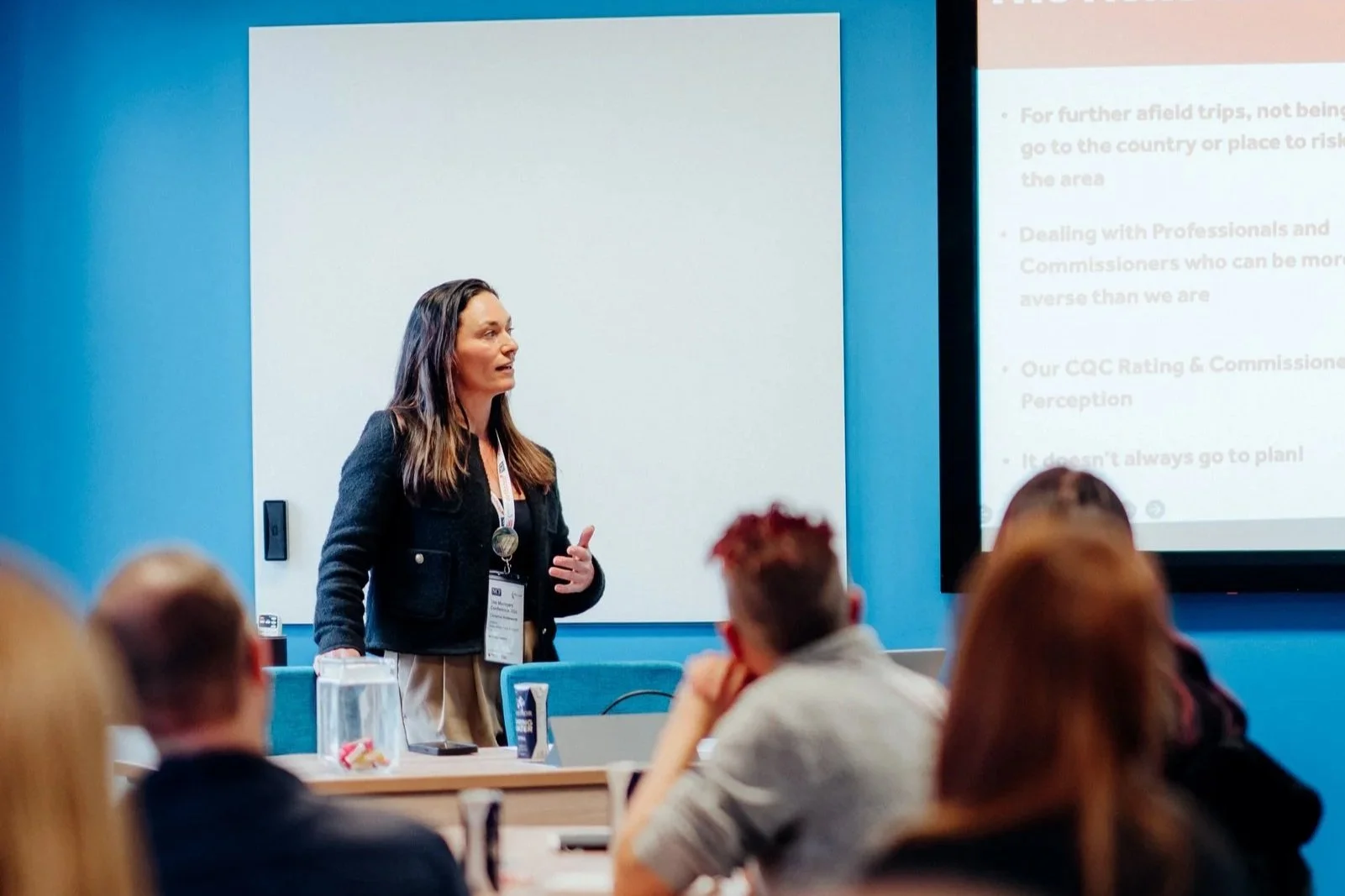
Neuro-Psychologists & Neuro-Psychiatrists
Aligning care with cognitive, behavioural, and emotional support plans
-
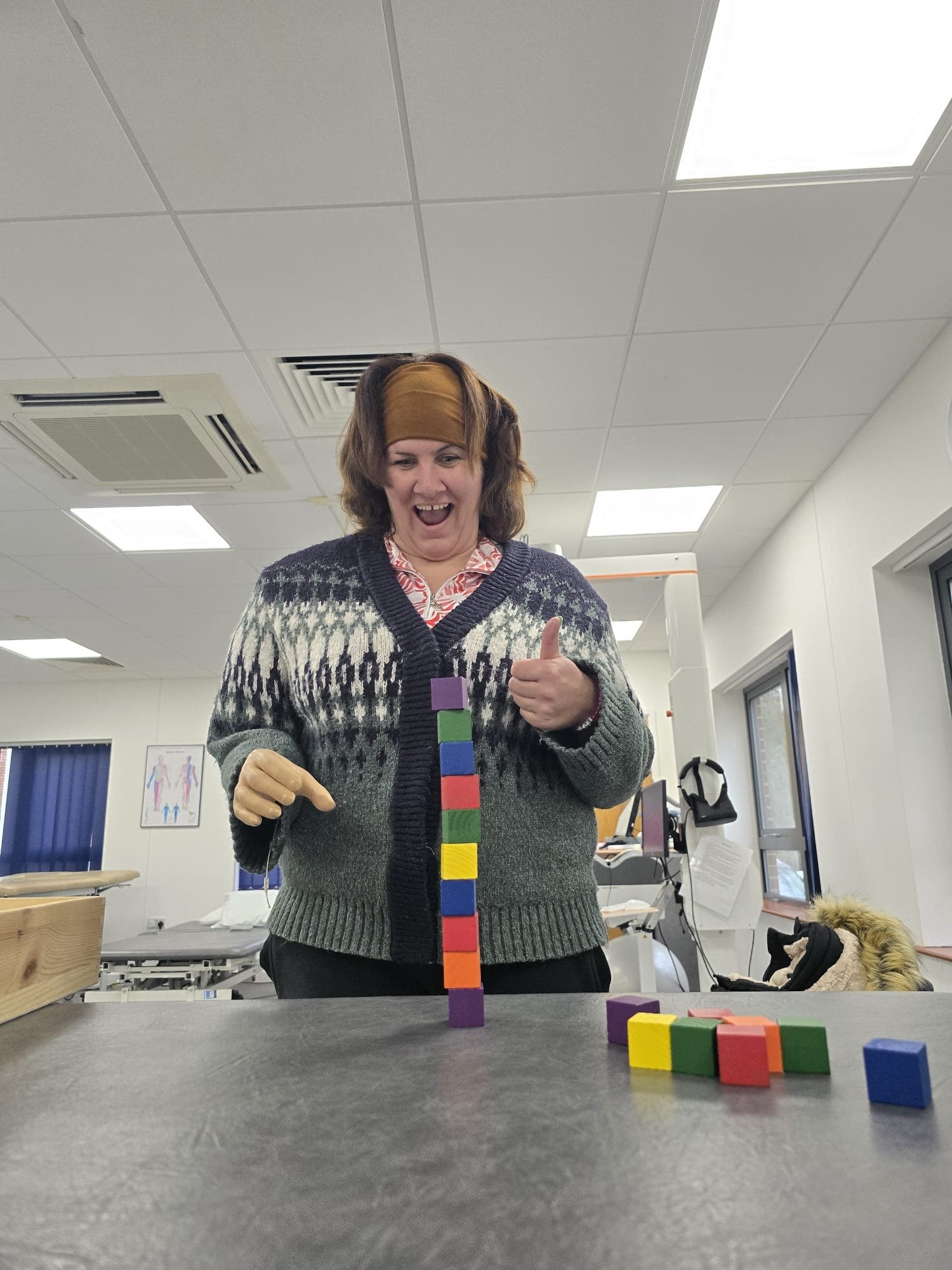
Occupational Therapists
Implementing functional goals and environmental adaptations
-
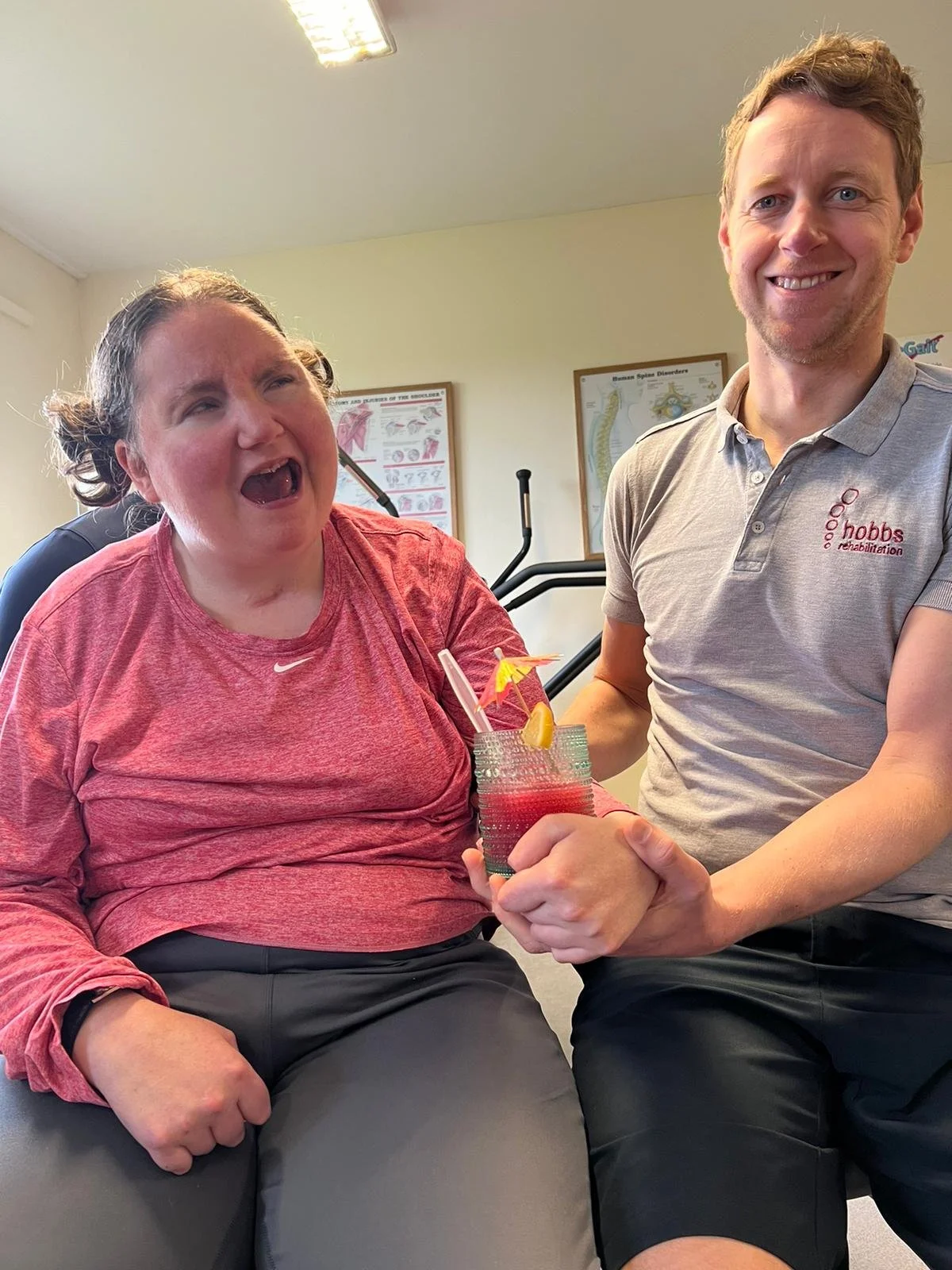
Speech and Language Therapists
Embedding communication strategies and swallowing guidelines
-
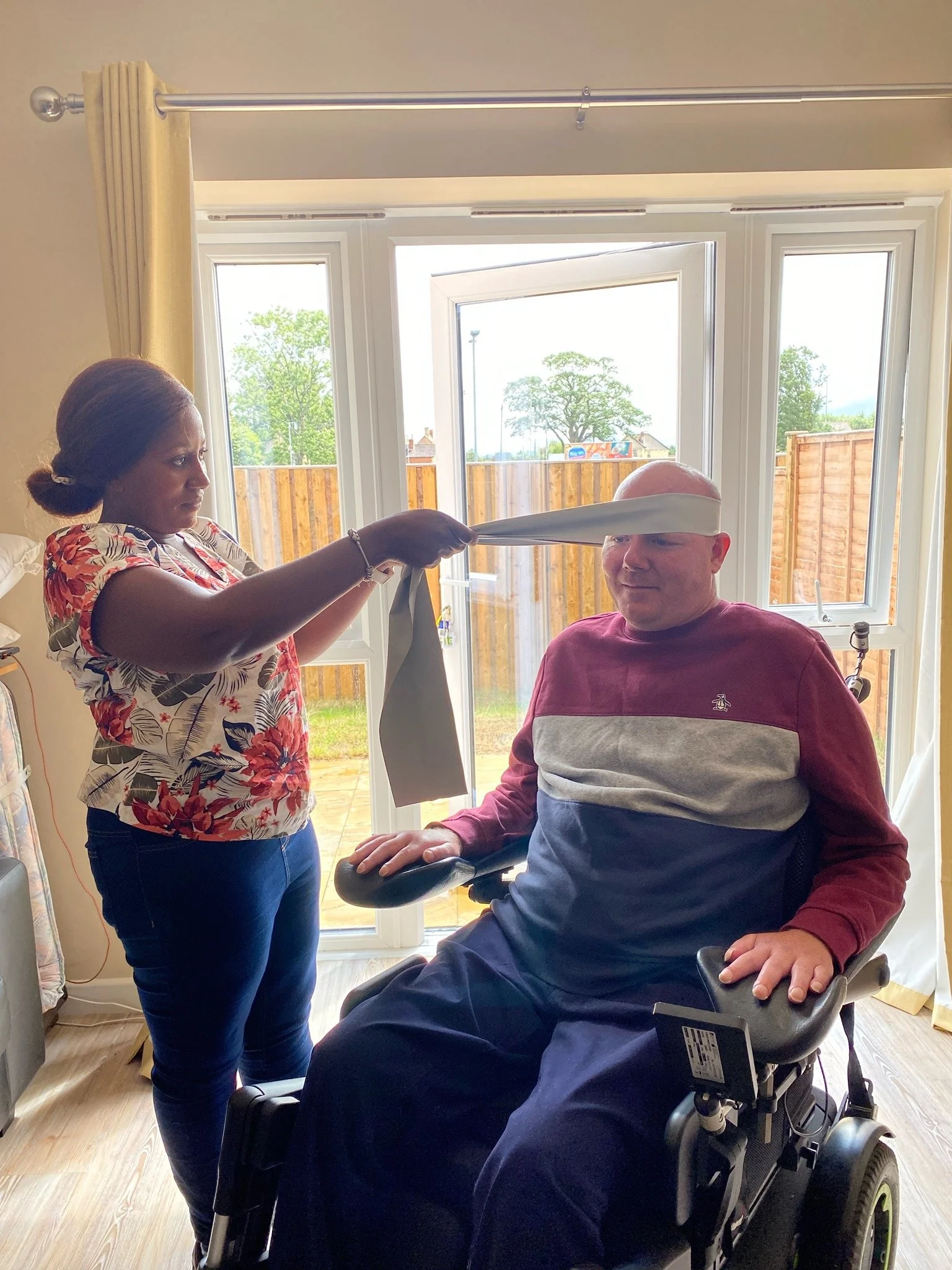
Physiotherapists
Supporting prescribed exercises and mobility programmes
-
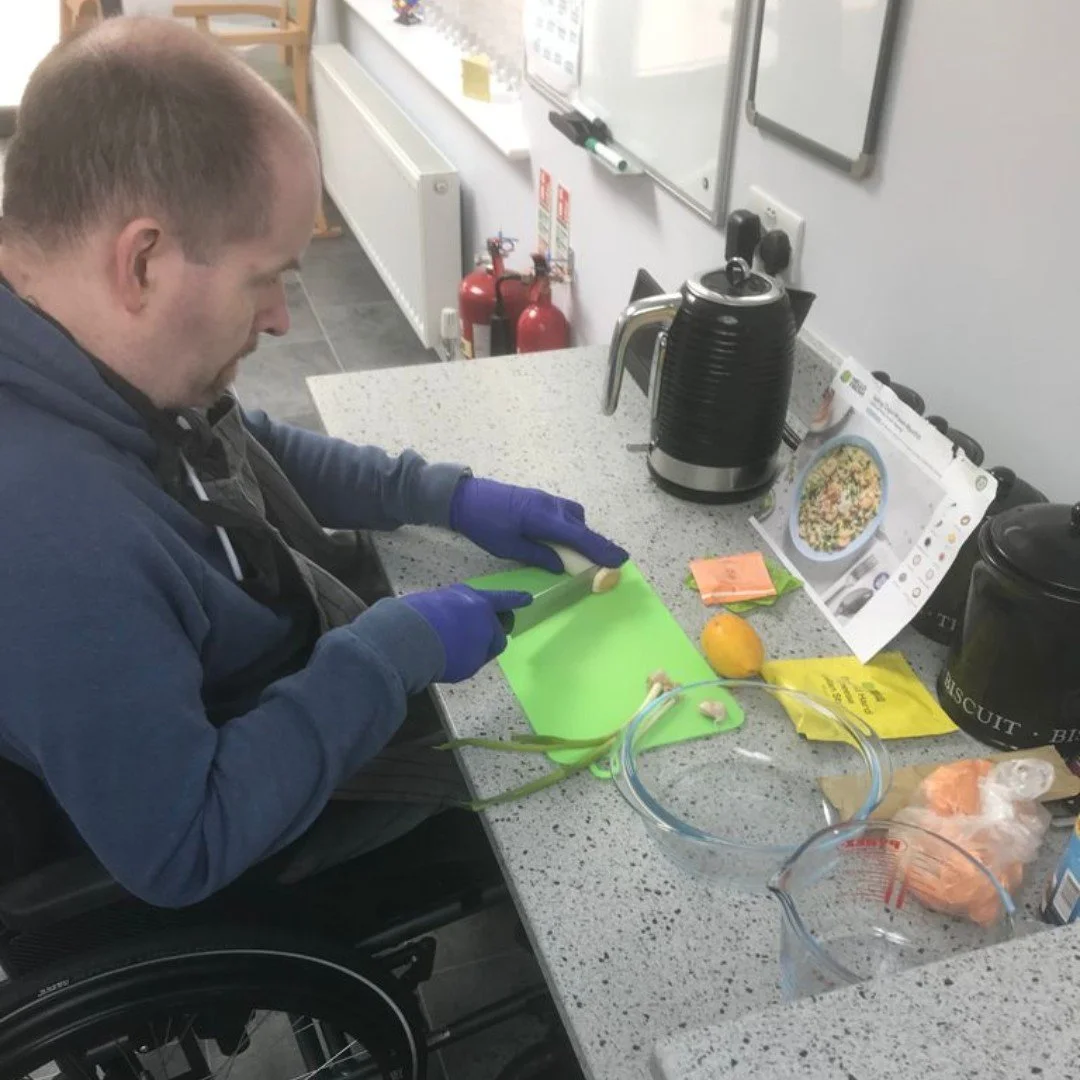
Dieticians
Supporting nutritional plans and specialist feeding requirements
-
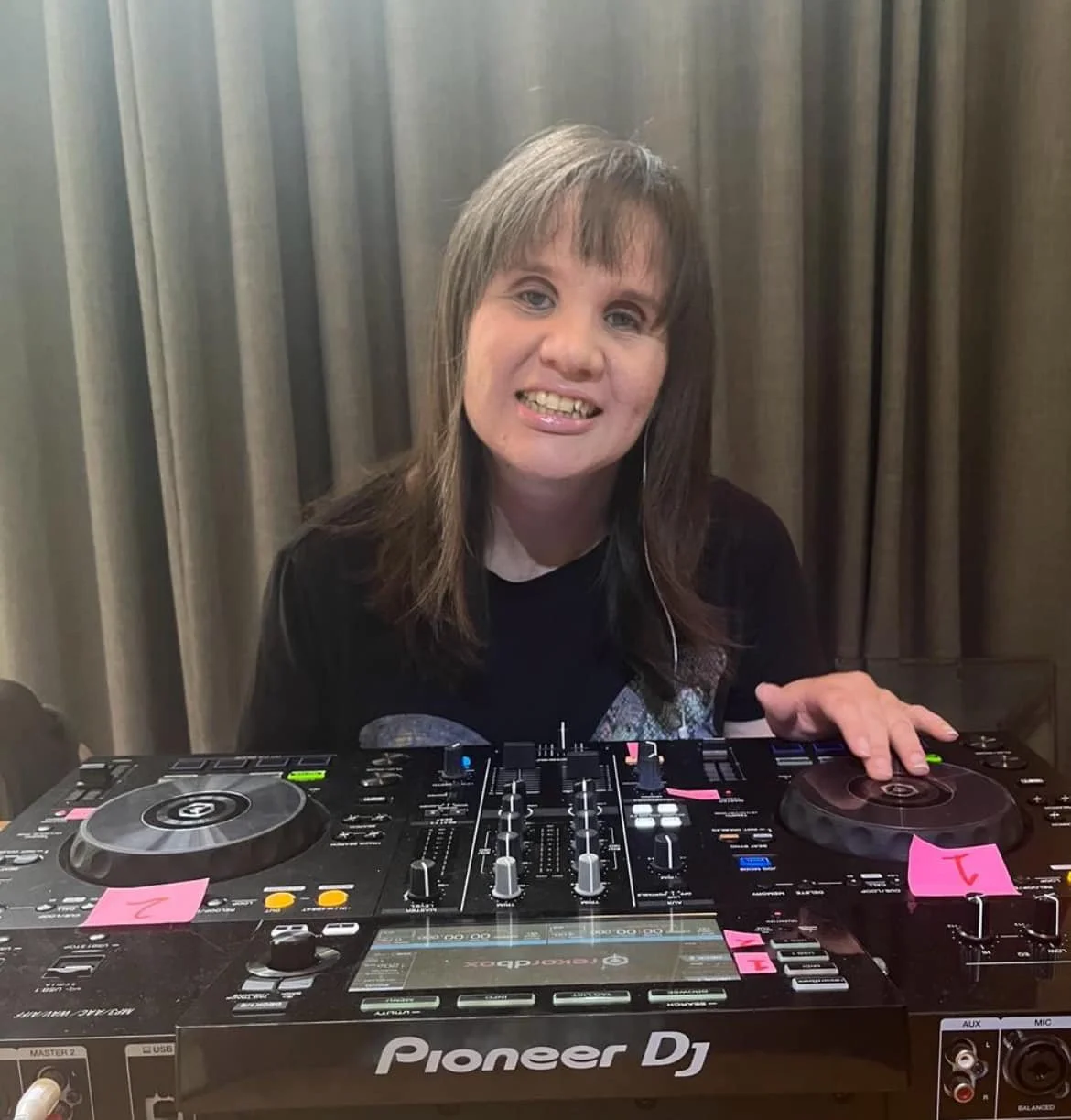
Creative Therapists
Including music and art therapists, where these form part of a person’s rehabilitation or wellbeing programme
Work With Us
Whether you’re reviewing your current support or planning next steps, our specialist team is here to help you explore what outstanding care could look like for you.